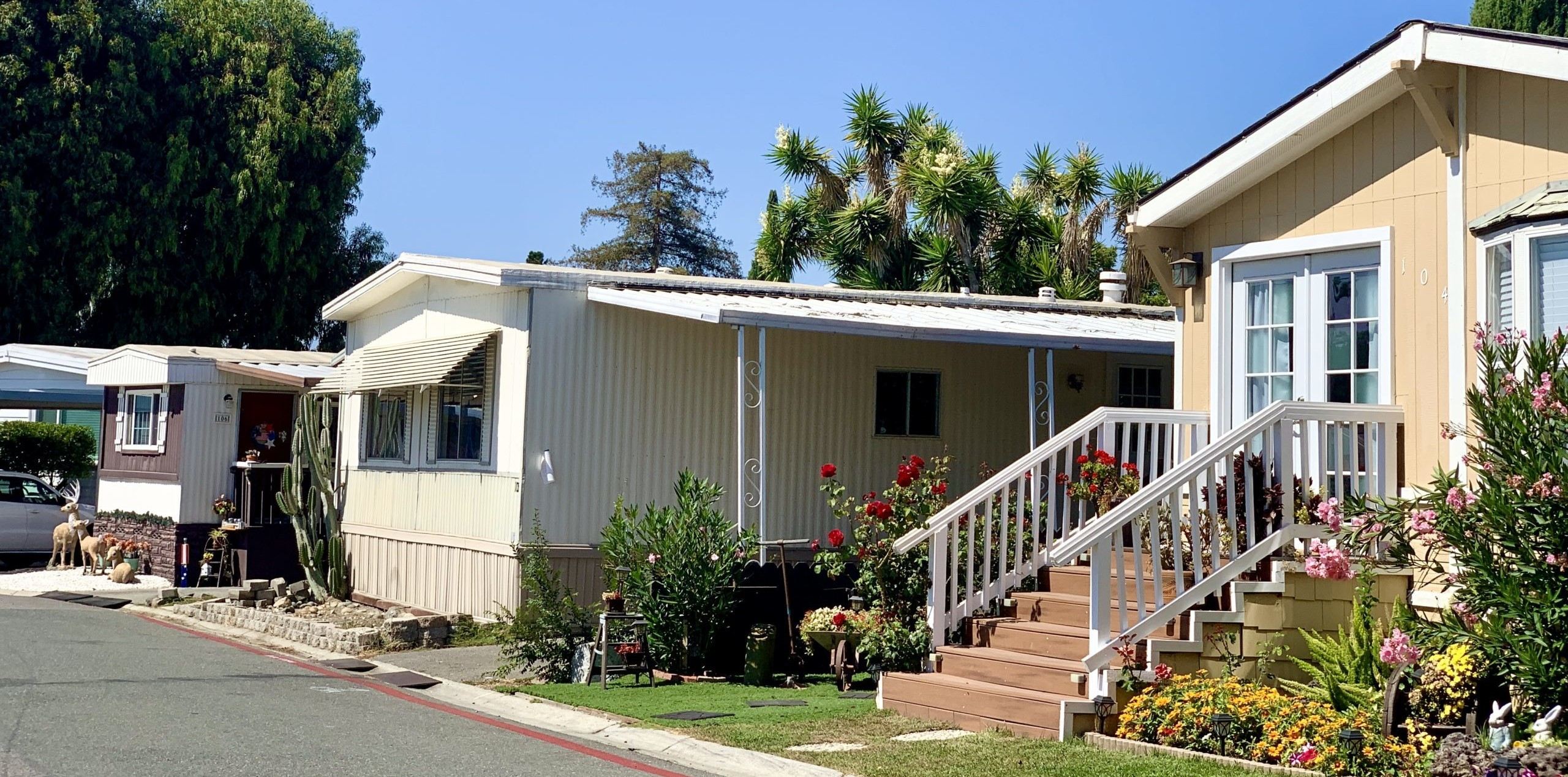
Navigating the world of manufactured home loans can initially seem daunting, but with the right information and guidance, the process becomes much simpler. Manufactured homes, often referred to as mobile homes, have become a popular housing option due to their affordability and flexibility. Understanding the specifics of manufactured home loans is essential for anyone considering this type of housing.
Manufactured homes are built in a factory setting and then transported to a rental site or a permanent location. Unlike traditional homes, which are constructed on-site, manufactured homes are subject to different regulations and financing options. As a consumer, grasping the nuances of these loans can empower you to make informed choices and feel confident in your decisions.
One of the first things to understand about manufactured home loans is that they differ from conventional home loans in several important ways. For one, the Federal Housing Administration (FHA) and the U.S. Department of Agriculture (USDA) offer special programs for manufactured homes. These programs are designed to make it easier for borrowers to qualify for financing, often with lower credit requirements and down payment options. However, to qualify, the manufactured home must meet specific criteria, including being built after June 15, 1976, and being placed on a permanent foundation.
The classification of manufactured homes also affects financing. They can be classified as real property or personal property. When a manufactured home is considered real property, it typically means that it is permanently affixed to a foundation and the land is owned by the homeowner. This classification allows for more traditional mortgage options. Conversely, if the home is classified as personal property, financing may resemble that of a vehicle loan rather than a conventional home mortgage. This distinction is important, as it can impact the types of loans available and the interest rates you may encounter.
When it comes to choosing a loan, there are various options available for manufactured homes. FHA loans are a popular choice due to their accessibility and favorable terms. These loans are especially beneficial for first-time homebuyers who may not have a substantial down payment or a strong credit history. Another option is the VA loan for eligible veterans, which offers zero down payment and competitive interest rates.
Conventional loans are also available for manufactured homes, but they usually require a higher credit score and larger down payments. These loans can be an excellent option for buyers with strong financial profiles who want to take advantage of competitive rates.
It is also important to consider the personal loan option, particularly for those who may not qualify for traditional financing. Personal loans can provide the necessary funds to purchase a manufactured home, but they often come with higher interest rates and shorter repayment terms. This option may work for some, but it is essential to understand the long-term implications before proceeding.
One of the key components of securing a manufactured home loan is the appraisal process. Appraisals for manufactured homes can differ from those for traditional homes, and it is essential to have an experienced appraiser who understands the unique aspects of manufactured housing. The appraisal will assess the home's condition, compliance with local building codes, and its market value. Be prepared for the possibility that the appraisal may come in lower than expected, which can affect your financing options.
Another significant factor is understanding the importance of the title. Manufactured homes come with titles similar to vehicles, and it is crucial to ensure that the title is clear and free of liens. A clean title simplifies the financing process and ensures that the transfer of ownership is straightforward.
When applying for a manufactured home loan, it is essential to gather all necessary documentation upfront. Lenders typically require proof of income, tax returns, credit history, and information about the property. Having this information readily available can expedite the loan approval process and make it smoother.
Many potential homeowners may also be concerned about the resale value of manufactured homes. It is a common misconception that manufactured homes depreciate quickly, similar to vehicles. However, well-maintained manufactured homes in desirable locations can appreciate in value over time, particularly as demand for affordable housing increases. Being informed about market trends and the specific community can help you make a wise investment.
Financing a manufactured home can also come with additional costs that buyers should be aware of. Homeowners insurance for manufactured homes may differ from traditional homeowners insurance, and it is essential to find a policy that adequately covers the unique risks associated with manufactured housing. Additionally, some communities may require specific fees, such as lot rent or association dues, which can impact your overall budget.
Understanding the regulations governing manufactured homes can also be beneficial. Local zoning laws can dictate where manufactured homes can be placed, and it is crucial to familiarize yourself with these rules, especially if you plan to purchase land. Moreover, each state may have different requirements for manufactured home loans, so it is vital to work with a knowledgeable loan officer who understands the local landscape.
As you embark on your journey towards financing a manufactured home, consider reaching out to your mortgage team for personalized assistance. Each borrower’s situation is unique, and our experienced loan officers can help you navigate the complexities of manufactured home loans. By discussing your specific needs and goals, you can gain insights tailored to your circumstances, helping you make informed decisions.
In conclusion, understanding manufactured home loans is crucial for anyone considering this housing option. By familiarizing yourself with the various types of loans, the appraisal process, and the unique aspects of manufactured housing, you can simplify the journey to homeownership. With the right information and support, you can confidently move forward, knowing you are making choices that align with your financial goals and lifestyle. Remember, the key to success in obtaining a manufactured home loan lies in being well-informed, prepared, and open to expert guidance.